
Lead Generation: The Complete Guide to Attract, Capture, and Convert Customers
Introduction to Lead Generation
What is Lead Generation?
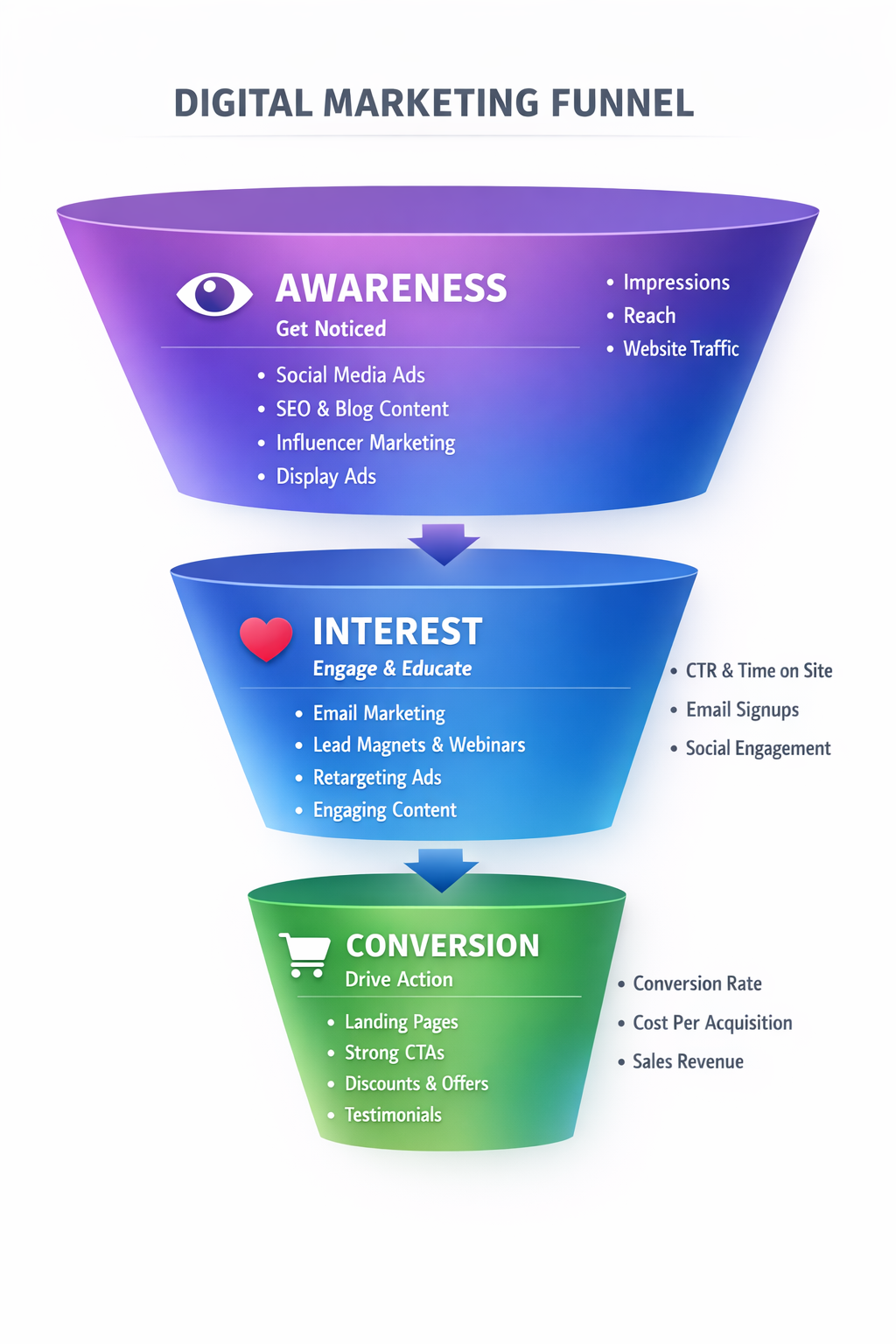
Lead generation is a key part of digital marketing. According to HubSpot, it helps businesses attract potential customers.”
Let’s start with something simple—lead generation is all about attracting people to your business and turning them into potential customers. But here’s the twist: it’s not just about collecting names and emails. It’s about creating a connection. Think of it like meeting someone at a party. You don’t immediately ask for a favor—you start a conversation, build trust, and then take things forward.
In the digital world, that “conversation” happens through blogs, social media, ads, and websites. When someone finds your content useful or interesting, they’re more likely to share their contact details. That’s when they become a lead. And from there, your job is to guide them toward becoming a paying customer.
What makes lead generation powerful is that it works even when you’re not actively selling. Your content, ads, and systems keep working in the background, attracting and nurturing people. It’s like having a 24/7 salesperson who never sleeps.
Why It Matters in Today’s Digital World
Let’s be honest—people don’t like being sold to anymore. They prefer to research, compare, and decide on their own. That’s exactly where lead generation shines. Instead of chasing customers, you attract them naturally by offering value.
Today, businesses that ignore lead generation often struggle to grow. Why? Because without leads, there’s no pipeline. And without a pipeline, there’s no consistent revenue. Lead generation ensures that you always have a steady stream of potential customers entering your business.
It also helps you focus on quality over quantity. Instead of targeting everyone, you target people who actually need what you offer. That means better conversions, higher profits, and less wasted effort. Sounds like a win-win, right?
Understanding the Lead Generation Process
Awareness Stage
Everything starts with awareness. If people don’t know your business exists, how can they become your customers? This stage is all about getting noticed. You create content, run ads, or post on social media to grab attention.
Imagine walking into a crowded marketplace. Hundreds of shops are trying to get your attention. The ones that stand out are the ones with something unique to offer. That’s exactly what your content should do—stand out and provide value.
Interest and Engagement
Once people notice you, the next step is to keep them interested. This is where engagement comes in. You share useful information, answer questions, and build trust.
For example, if someone reads your blog or watches your video, they start seeing you as an expert. And when people trust you, they’re more likely to take the next step.
Conversion and Capture
Now comes the critical moment—conversion. This is where a visitor becomes a lead. You offer something valuable, like a free guide or webinar, in exchange for their contact details.
The key here is simplicity. If your forms are too long or complicated, people will leave. Keep it short and easy. Remember, you’re starting a relationship, not conducting an interview.
Nurturing and Follow-up
Just because someone becomes a lead doesn’t mean they’ll buy immediately. That’s where nurturing comes in. You send emails, share content, and stay connected until they’re ready to make a decision.
Think of it like watering a plant. You don’t dump a bucket of water once and expect it to grow. You nurture it consistently. The same goes for leads.
Types of Leads Explained
Cold, Warm, and Hot Leads
Not all leads are the same. Some are just getting to know you, while others are ready to buy.
- Cold leads don’t know much about your business yet
- Warm leads are familiar and interested
- Hot leads are ready to take action
Understanding this helps you tailor your approach. You wouldn’t pitch aggressively to someone who just discovered you, right?
MQL vs SQL vs PQL
Now let’s get a bit more specific.
- MQL (Marketing Qualified Lead): Engaged with your content
- SQL (Sales Qualified Lead): Ready to talk to sales
- PQL (Product Qualified Lead): Tried your product
These categories help businesses prioritize efforts and focus on leads that are most likely to convert.
Top Lead Generation Strategies
Content Marketing
Content is the backbone of lead generation. Blogs, videos, guides—they all help attract and educate your audience.
When you provide value, people naturally trust you. And trust leads to conversions. It’s that simple.
Social Media Marketing
Social media is where people spend a huge chunk of their time. By sharing engaging content, you can attract leads and build relationships.
The key is consistency. Show up regularly, provide value, and interact with your audience.

Paid Advertising
Paid ads help you reach a larger audience quickly. Whether it’s search ads or social media ads, they can drive targeted traffic to your site.
The trick is targeting the right audience. Otherwise, you’re just wasting money.
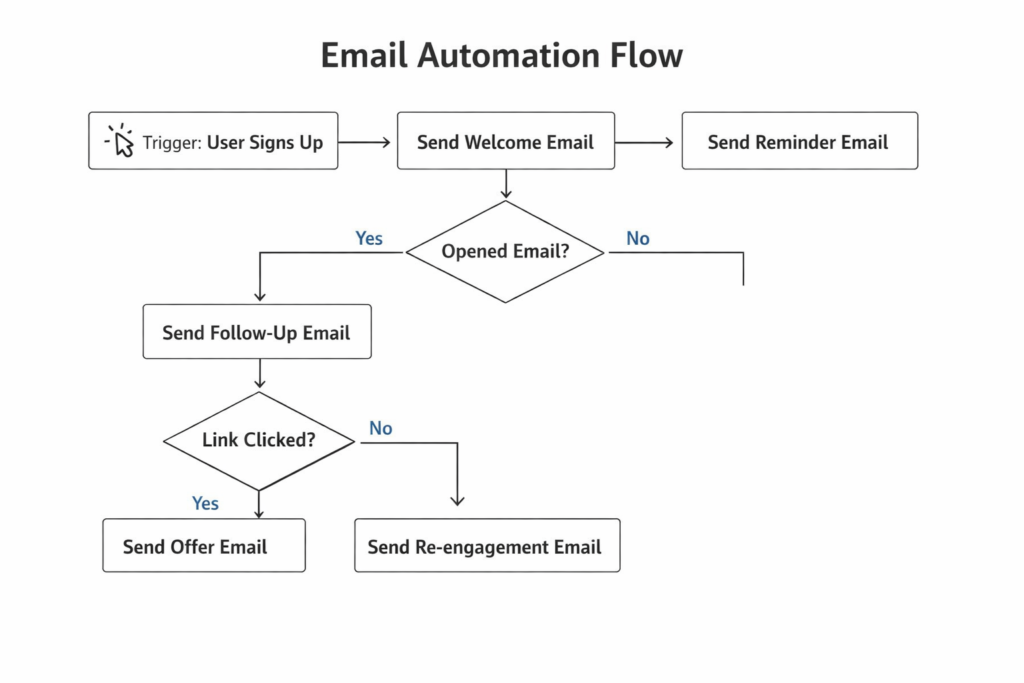
Email Marketing
Email remains one of the most effective lead generation tools. Once you have someone’s email, you can stay connected and guide them toward a purchase.
Personalization makes a huge difference here. People respond better to messages that feel tailored to them.
Lead Generation Tools and Software
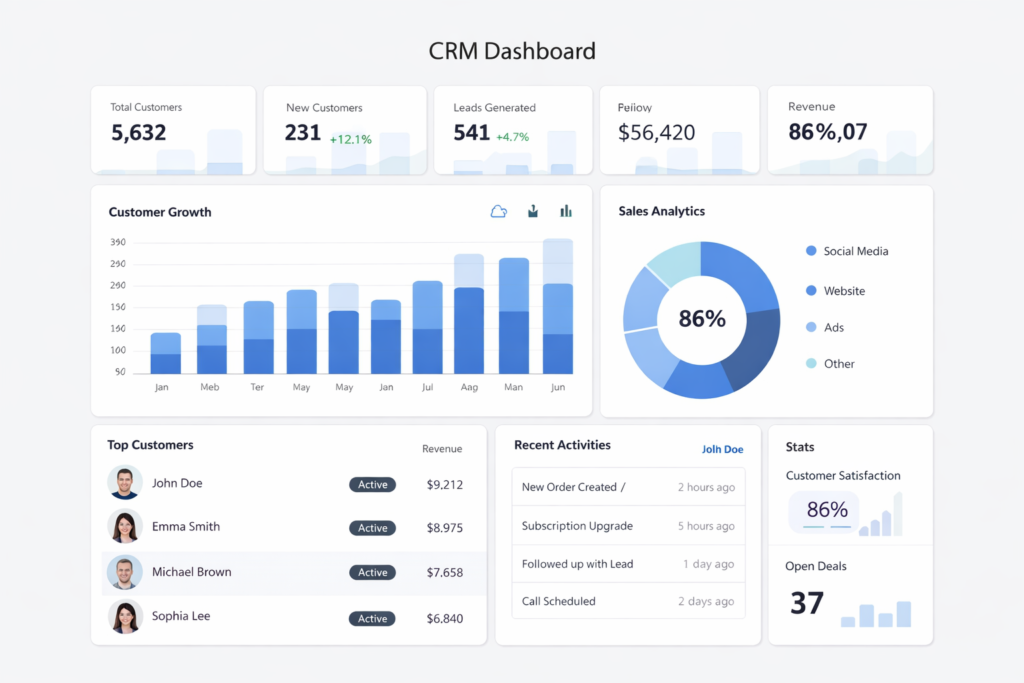
CRM Tools
Customer Relationship Management (CRM) tools help you organize and manage your leads. They keep track of interactions and make follow-ups easier.
Automation Platforms
Automation tools save time by handling repetitive tasks like sending emails and tracking behavior. This allows you to focus on strategy and growth.
How to Improve Lead Generation
Optimize Landing Pages
Your landing page is where conversions happen. Make it clear, simple, and focused. Remove distractions and guide visitors toward one action.
Use Strong CTAs
A strong Call-To-Action can make or break your lead generation efforts. It should be clear, compelling, and easy to follow.
Common Mistakes to Avoid
Many businesses struggle with lead generation because they make simple mistakes. One common issue is focusing on quantity over quality. Getting thousands of leads means nothing if they don’t convert.
Another mistake is ignoring follow-ups. Leads need nurturing. Without it, they lose interest and move on.
Future of Lead Generation
The future of lead generation is all about personalization and AI. Businesses are using data to understand customer behavior and deliver tailored experiences.
Automation is also becoming more advanced, making it easier to manage leads efficiently. The goal is simple—reach the right people at the right time with the right message.
Conclusion
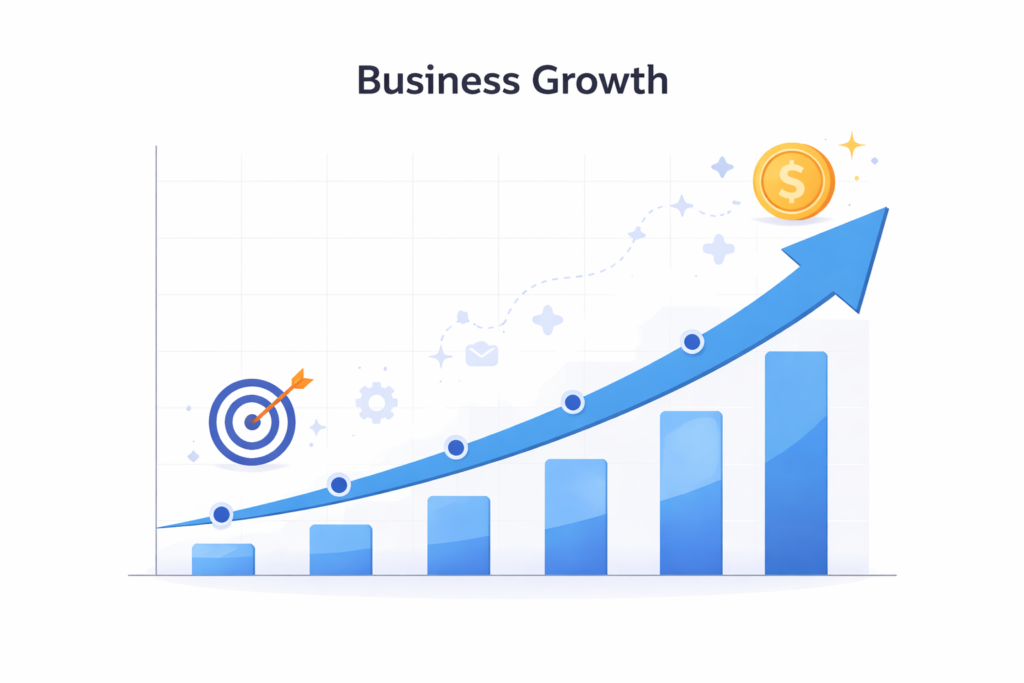
Lead generation isn’t just a marketing tactic—it’s the backbone of business growth. When done right, it creates a steady stream of opportunities, builds trust with your audience, and drives consistent revenue. The key is to focus on value, understand your audience, and continuously optimize your approach.
FAQs
1. What is lead generation in simple words?
It’s the process of attracting people and turning them into potential customers.
2. Why is lead generation important?
It helps businesses grow by bringing in new customers and increasing sales.
3. What are the best lead generation methods?
Content marketing, social media, email marketing, and paid ads.
4. How can beginners start lead generation?
Start with a website, create valuable content, and use simple lead capture forms.
5. What tools are used for lead generation?
CRM systems, email marketing tools, and automation platforms.