
Importance of SEO
Let’s start with a simple truth.
Whenever people need answers, products, services, or solutions — they search.
Not scroll. Not browse. Search.
And that single habit explains why SEO (Search Engine Optimization) has become one of the most powerful forces in the digital world.
Whether you run a business, manage a website, write a blog, or sell products online, SEO is no longer optional. It’s essential infrastructure.
But what makes SEO so important?
Let’s unpack it properly.
What is SEO?
SEO is one of those buzzwords that everyone hears, yet many only vaguely understand.
Definition of Search Engine Optimization
SEO — Search Engine Optimization — is the process of improving a website so that it appears higher in search engine results.
Higher rankings = more visibility.
More visibility = more clicks.
More clicks = more opportunities.
SEO is essentially digital positioning.
Imagine opening a store. Would you choose a hidden alley or the busiest street in town?
SEO puts your business on that busy digital street.


How Search Engines Actually Work
Search engines act like incredibly intelligent librarians.
They:
✔ Crawl websites
✔ Index content
✔ Rank pages based on relevance & quality
Their mission is simple:
Deliver the best possible answers to users.
SEO helps your website communicate:
“Hey, this content is useful. Show me.”
Without SEO, even great content can remain invisible.
Why SEO Matters More Than Ever
We live in an attention economy.
Visibility isn’t luxury — it’s survival.
Search is the Gateway to Everything
Think about how people behave online:
Looking for a product? → Search
Need a solution? → Search
Comparing services? → Search
Researching anything? → Search
Search engines have become the front door of the internet.
If your website isn’t optimized for search, it’s like owning a shop with no signage.
User Intent is Incredibly Powerful
Here’s something fascinating.
SEO doesn’t interrupt people.
It connects with them when they’re already looking.
Someone searching:
“Best running shoes for beginners”
is not casually browsing — they’re actively interested.
SEO captures demand that already exists.
That’s marketing gold.
SEO Builds Sustainable Visibility
Visibility online can be rented… or built.
Paid Ads vs Organic SEO
Paid ads are like turning on a faucet.
You pay → traffic flows.
You stop paying → traffic disappears.
SEO works differently.
You invest → rankings grow.
Rankings grow → traffic continues.
SEO builds assets instead of expenses.

The Compounding Effect of SEO
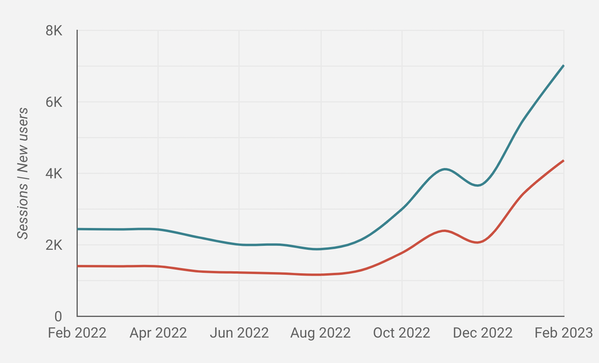
SEO is one of the few strategies that compounds.
Each optimized page becomes a traffic-generating asset.
More pages → more visibility → more growth.
Momentum builds over time.
Like interest in a bank account.
The Business Benefits of SEO
Now let’s talk about outcomes — because SEO isn’t theoretical.
It drives measurable results.
Increased Website Traffic
Better rankings naturally attract more clicks.
Users trust top results.
Most people never scroll past the first page.
If you’re not there?
You’re missing traffic daily.
Credibility and Trust
Here’s human psychology at work.
People trust search engines.
If your website ranks highly, users subconsciously think:
“This must be reputable.”
SEO enhances perceived authority.
You’re borrowing credibility from the platform itself.
Better Conversion Rates
SEO often delivers highly targeted visitors.
These are people actively searching for solutions.
They’re warmer leads than random ad impressions.
Intent-driven traffic converts better.

SEO and User Experience (UX): A Hidden Connection
Many assume SEO is purely technical.
That’s outdated thinking.
Modern SEO and user experience are deeply connected.
Page Speed Matters
Slow websites frustrate users.
Search engines know this.
SEO encourages:
✔ Faster loading times
✔ Optimized performance
✔ Better responsiveness
Better speed = happier users = better rankings.
Mobile Optimization is Mandatory
Most searches now happen on mobile devices.
SEO forces websites to adapt.
Responsive design isn’t just aesthetic — it’s functional necessity.


Content Relevance Improves Experience
SEO prioritizes value.
It pushes creators to produce:
✔ Clear content
✔ Useful answers
✔ Structured information
Good SEO = Good content strategy.
SEO vs Traditional Marketing
Traditional marketing often interrupts attention.
SEO attracts attention.
Huge difference.
Cost Efficiency
Ads require constant spending.
SEO requires effort and strategy — but results scale over time.
Traffic without per-click costs is incredibly powerful.
Precision Targeting
SEO connects with users based on search intent.
Not demographics.
Not guesswork.
Real-time demand.
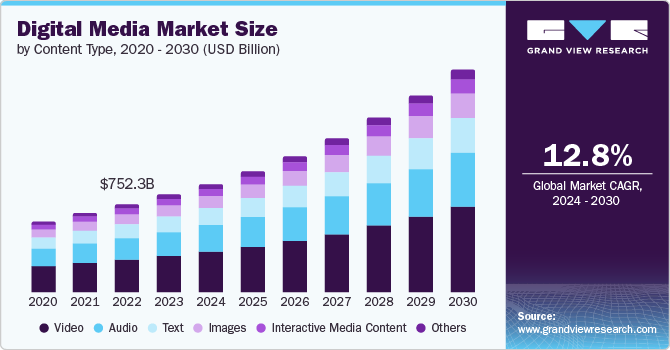
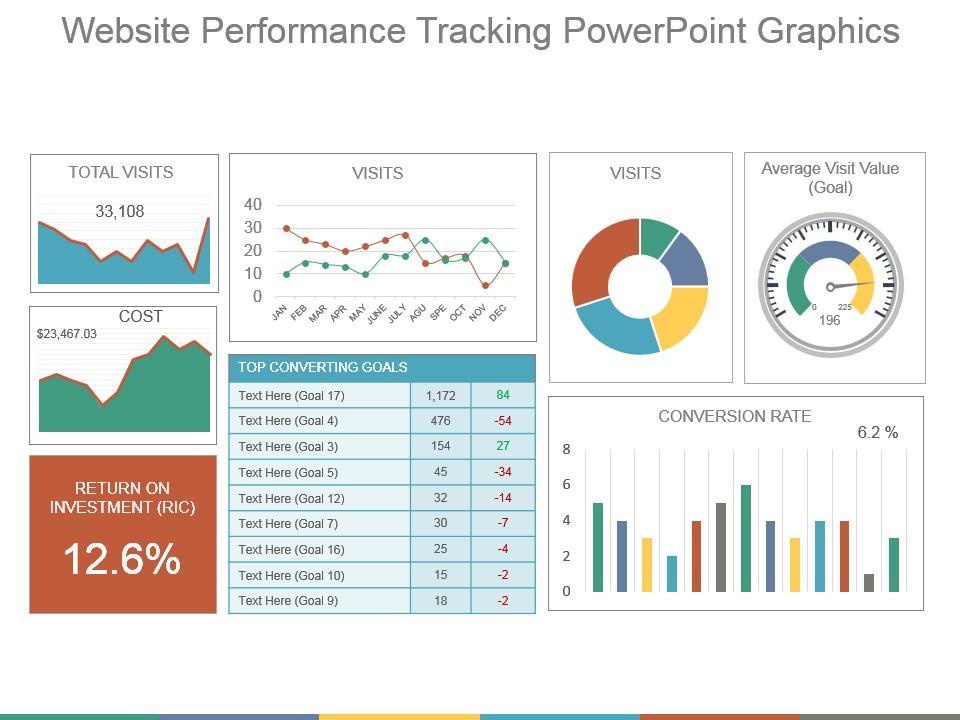
Data-Driven Insights
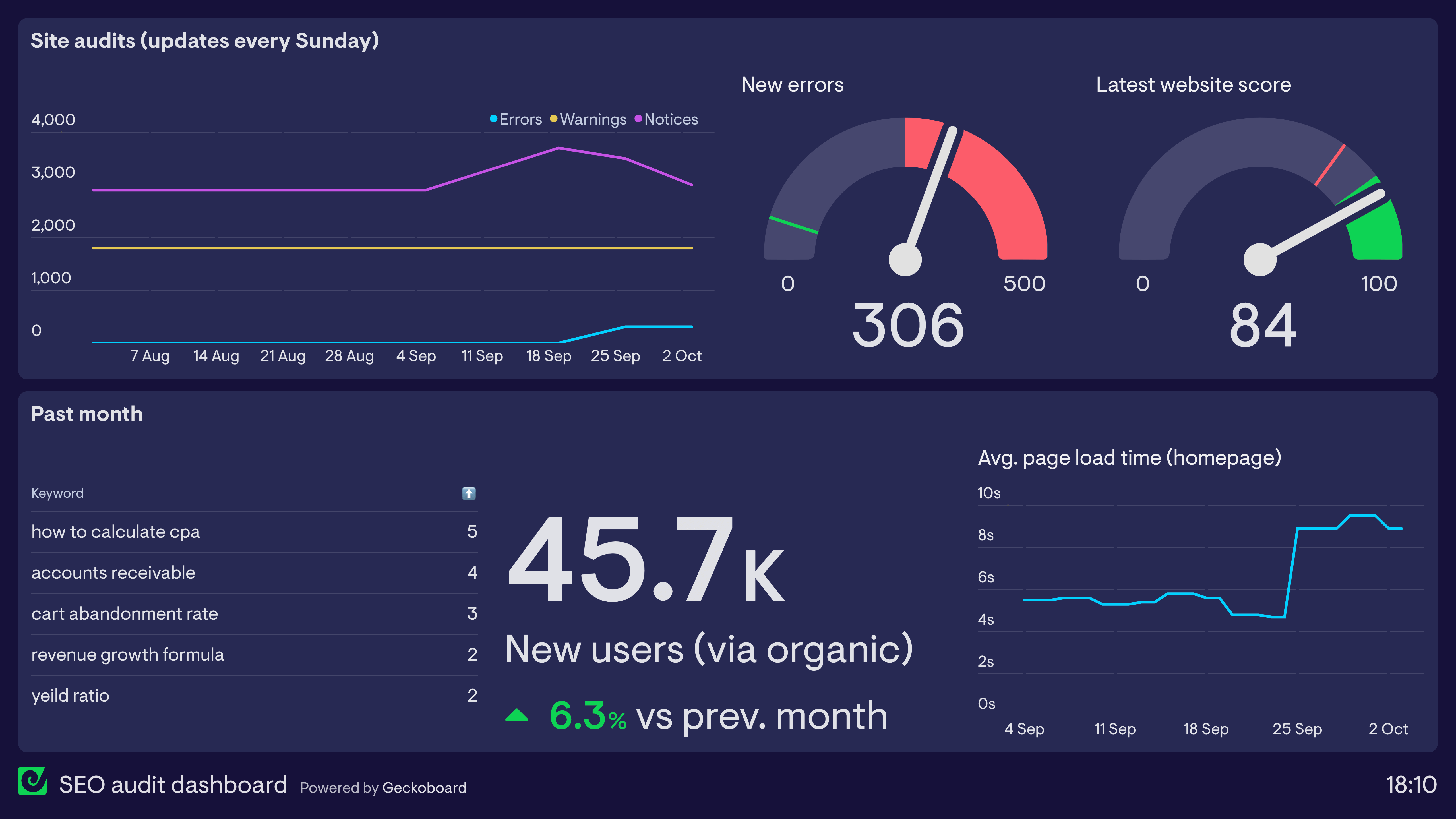
SEO provides measurable performance metrics:
✔ Traffic
✔ Rankings
✔ Click-through rates
✔ Engagement
✔ Conversions
Everything is trackable.
No blind marketing.
SEO as a Competitive Advantage
Let’s be direct.
Your competitors are investing in SEO.
If you’re not?
You’re handing them market share.
Ranking Higher Means Winning Attention
Users rarely explore multiple pages.
Higher visibility captures disproportionate clicks.
Attention concentration is real.
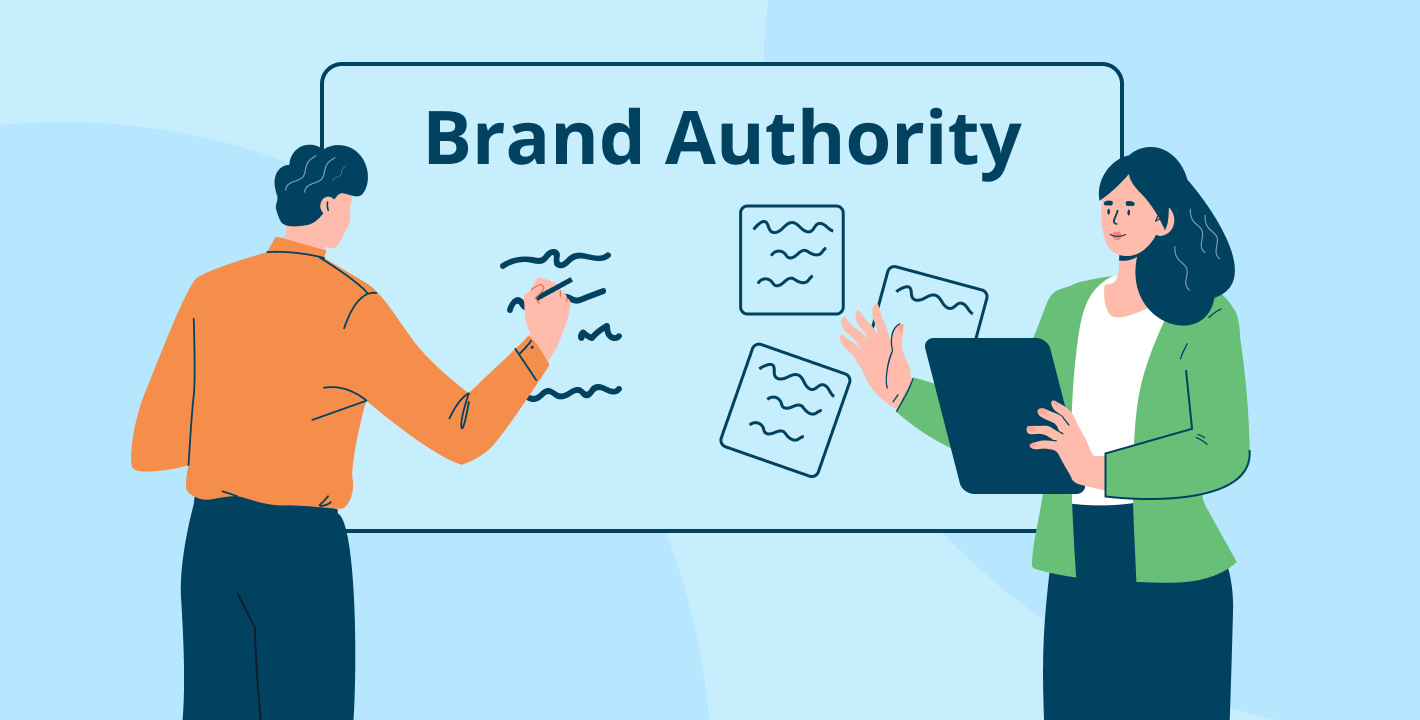
Brand Authority Through Consistency
Repeated appearances in search results build familiarity.
Familiarity builds trust.
Trust builds preference.
SEO shapes perception over time.

Local SEO: Essential for Small & Local Businesses
For local businesses, SEO isn’t just important — it’s critical.
Visibility in Local Searches
When someone searches:
“Dentist near me”
“Best café nearby”
SEO determines who gets discovered.
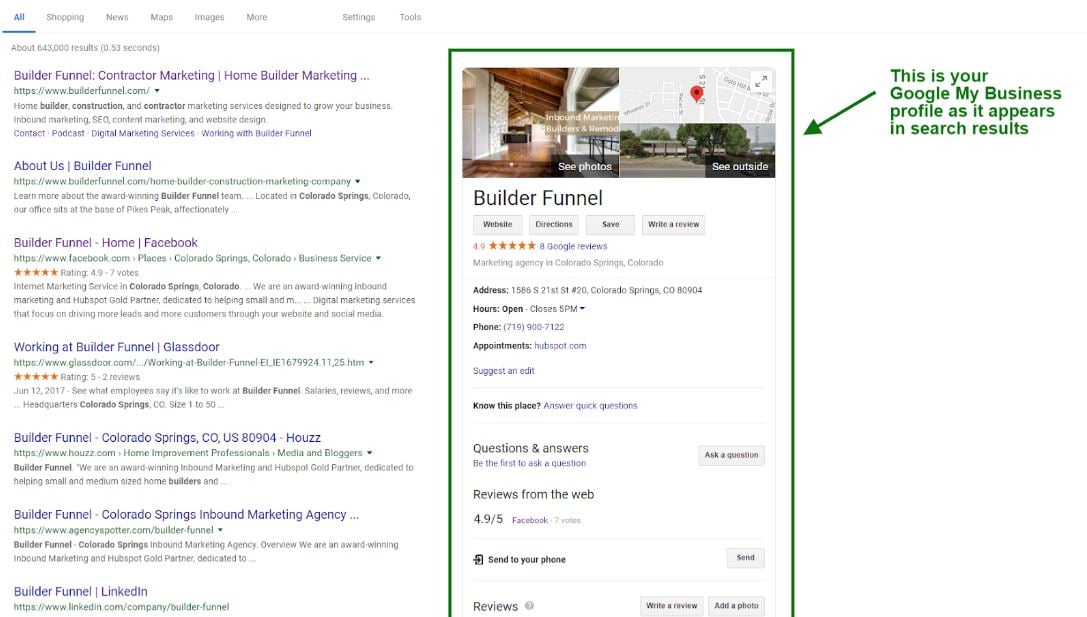
Google Maps & Local Listings
Local SEO helps businesses appear in:
✔ Google Maps
✔ Local packs
✔ Location-based results
Digital discovery drives physical visits.

SEO as the Backbone of Content Strategy
SEO and content are inseparable.
Keyword Research Reveals Demand
SEO shows what people are actually searching for.
Not guesses.
Not assumptions.
Real curiosity and needs.
It’s like having access to collective human questions.
Content Optimization Drives Performance
SEO ensures content:
✔ Matches intent
✔ Uses clear structure
✔ Provides value
✔ Solves problems
Better content → Better engagement → Better rankings.
The Long-Term Impact of SEO
SEO isn’t a hack.
It’s a growth system.
Sustainable Growth Engine
Unlike viral spikes or temporary campaigns, SEO builds predictable traffic streams.
Consistency is underrated.
Compounding Digital Assets
Each optimized page becomes a long-term resource.
Traffic continues even when you’re not actively promoting.
SEO builds leverage.
Common SEO Misconceptions
Let’s clear some myths.
“SEO is a One-Time Task”
SEO is ongoing.
Algorithms evolve.
Competitors adapt.
User behavior shifts.
SEO requires continuous refinement.
“SEO is Just Keywords”
SEO includes:
✔ Technical optimization
✔ Site structure
✔ UX improvements
✔ Content quality
✔ Authority signals
Keywords are just one piece.
The Future of SEO
SEO isn’t fading.
It’s evolving rapidly.
AI & Smarter Search Engines
Search engines increasingly understand:
✔ Context
✔ Meaning
✔ Intent
✔ Semantics
SEO now prioritizes quality and expertise more than ever.
Voice & Conversational Search
People now ask search engines like they ask humans.
SEO must adapt to natural language patterns.
Conclusion
SEO is no longer just a marketing tactic.
It’s digital survival strategy.
It drives visibility, credibility, trust, conversions, and sustainable growth.
Ignoring SEO in today’s world is like opening a business and hiding the entrance.
Can success happen without SEO?
Possibly.
But why fight gravity when SEO builds momentum?
FAQs
1. How long does SEO take to work?
SEO typically requires several months to show strong results. However, unlike paid advertising, the benefits are long-lasting and cumulative.
2. Is SEO better than paid ads?
They serve different roles. Ads deliver immediate visibility. SEO builds long-term sustainable traffic. The best strategies combine both.
3. Does SEO really matter for small businesses?
Absolutely. Especially for local visibility, SEO can be one of the highest-ROI strategies available.
4. Can SEO guarantee rankings?
No ethical SEO can guarantee rankings. Search engines control algorithms. However, proper SEO significantly improves visibility potential.
5. Is SEO still relevant with social media growth?
Yes. SEO captures active search intent. Social media captures passive attention. They complement each other.