
What Is Digital Marketing?
Introduction to Digital Marketing
Digital marketing isn’t just a trendy phrase thrown around by marketers in meetings—it’s how modern businesses talk to real people online. If traditional marketing is like shouting through a megaphone, digital marketing is more like having a meaningful one-on-one conversation.
The Shift from Traditional to Digital
Not too long ago, marketing meant newspaper ads, billboards, TV commercials, and cold calls. While those methods still exist, they’ve taken a backseat. Why? Because people moved online. Attention shifted to smartphones, search engines, and social media feeds.
Why Everyone Is Talking About Digital Marketing
Simply put, that’s where customers are. If your audience spends hours online every day, your brand needs to show up there too—or risk being forgotten.
What Is Digital Marketing?
Simple Definition in Plain English
So, what is digital marketing?
Digital marketing is the promotion of products, services, or brands using digital channels like websites, search engines, social media platforms, email, and online ads.
Think of it as meeting people where they already are—scrolling, searching, clicking, and engaging.
Digital Marketing vs Traditional Marketing
Traditional marketing broadcasts a message to everyone and hopes the right people notice. Digital marketing, on the other hand, is targeted, measurable, and adaptable.
Key Differences Explained Simply
With digital marketing, you can track clicks, views, conversions, and sales in real time. That means no more guessing. You know what works—and what doesn’t.
Why Digital Marketing Matters More Than Ever
How Consumer Behavior Has Changed
Today’s buyers research before they buy. They read reviews, compare prices, watch videos, and ask social media for opinions. Digital marketing supports this entire journey.
Benefits for Small and Large Businesses
Whether you’re a solo entrepreneur or a global company, digital marketing levels the playing field. You don’t need a massive budget—just a smart strategy.
Cost-Effectiveness and Scalability
You can start small, test campaigns, and scale what works. That flexibility is priceless in a fast-moving digital world.
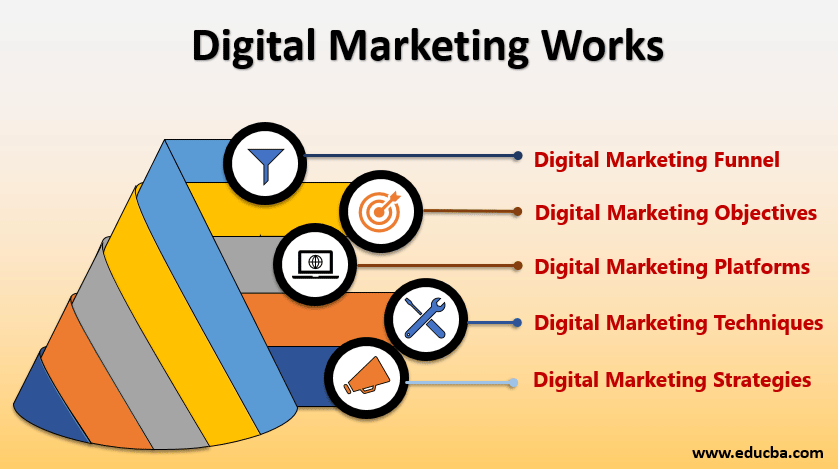
How Digital Marketing Works in Real Life
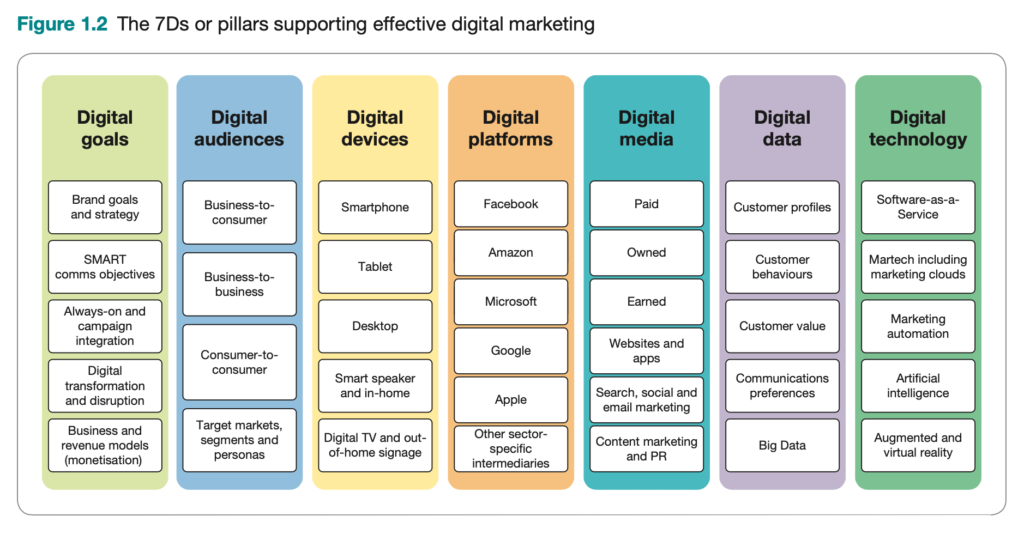
Setting Goals and Understanding the Audience
Everything starts with clarity. Do you want more website traffic? More leads? More sales? Once goals are clear, understanding your audience becomes easier.
Choosing the Right Digital Channels
Not every platform fits every business. A B2B company might thrive on LinkedIn, while a fashion brand shines on Instagram or TikTok.
Creating and Distributing Content
Content is the fuel of digital marketing. Blogs, videos, emails, and ads are crafted to solve problems or spark interest.
Measuring, Testing, and Improving
Analytics show what’s working. Smart marketers test, tweak, and improve continuously.
Core Digital Marketing Channels Explained
Search Engine Optimization (SEO)
SEO helps your website appear in search results when people look for solutions. It’s a long-term strategy that builds visibility and trust.
Content Marketing
Content marketing focuses on value. Instead of selling directly, you educate, inspire, or entertain—and trust follows naturally.
Social Media Marketing
This is where brands become human. Comments, stories, reels, and messages create two-way communication.
Email Marketing
Email remains powerful because it’s personal. A well-written email feels like a helpful nudge, not a sales pitch.
Pay-Per-Click Advertising (PPC)
PPC delivers fast results. You pay only when someone clicks your ad, making it measurable and controlled.
Display Ads and Retargeting
Ever visited a site and then saw its ad everywhere? That’s retargeting—smart and effective when done respectfully.
Digital Marketing KPIs That Actually Matter
Traffic and Engagement Metrics
Website visits, time on page, and social engagement show how people interact with your content.
Conversion and Revenue Metrics
Leads, sign-ups, and sales tell you if marketing efforts are paying off.
Understanding ROI in Digital Marketing
ROI answers the big question: was it worth it? Digital marketing makes this clear.
Digital Marketing for B2B vs B2C
B2B Digital Marketing Strategies
B2B focuses on trust, education, and long-term relationships. Think LinkedIn, whitepapers, and email nurturing.
B2C Digital Marketing Strategies
B2C is faster and more emotional. Social media, influencers, and video dominate here.
Choosing the Right Approach
Same tools, different mindset. Knowing your audience makes all the difference.
Common Digital Marketing Challenges
Algorithm Changes and Platform Dependency
Platforms change rules constantly. Flexibility is key.
Content Saturation and Competition
Everyone is creating content. Standing out requires authenticity.
Privacy, Data, and Trust Issues
Respecting user privacy builds long-term credibility.
The Human Side of Digital Marketing
Building Trust and Authenticity
People buy from brands they trust. Honesty beats hype every time.
Personalization Without Being Creepy
Use data to help—not stalk—your audience.
Value-Driven Marketing
Solve problems first. Sales follow naturally.
Tools Used in Digital Marketing
Analytics and Tracking Tools
Tools like analytics platforms help understand behavior.
Automation and CRM Platforms
Automation saves time and improves consistency.
Content Creation Tools
Design, video, and writing tools bring ideas to life.
Skills Needed for Digital Marketing
Technical Skills
SEO, ads, and analytics matter.
Creative and Communication Skills
Storytelling connects emotionally.
Analytical Thinking
Data guides smart decisions.
Digital Marketing for Small Businesses
Starting with a Limited Budget
Focus on organic growth first.
Local Digital Marketing Strategies
Local SEO and reviews drive foot traffic.
Growth Through Consistency
Small steps, taken consistently, create momentum.
The Future of Digital Marketing
AI and Automation
Smarter tools, better personalization.
Voice Search and Omnichannel Marketing
Customers expect seamless experiences everywhere.
Customer Experience as a Priority
Experience is the new competitive edge.
The Bottom Line
Why Digital Marketing Is No Longer Optional
If you’re not online, you’re invisible. Digital marketing is survival—and opportunity.
Conclusion
So, what is digital marketing really?
It’s not about ads or algorithms—it’s about people, relationships, and relevance. Digital marketing helps businesses connect, communicate, and grow in a world that never logs off. When done right, it feels less like marketing and more like a helpful conversation. And that’s exactly why it works.
Frequently Asked Questions (FAQs)
- Is digital marketing suitable for beginners?
Yes. Anyone can start with basic strategies like social media or content creation.
- How long does digital marketing take to show results?
Some channels like PPC are fast, while SEO takes time but lasts longer. - Is digital marketing expensive?
It can be affordable and scalable based on your budget. - Do small businesses really need digital marketing?
Absolutely. It helps compete with larger brands. - Can digital marketing work without social media?
Yes, through SEO, email, and content—but social media helps amplify results.