
5 Powerful Performance Marketing Strategies to Boost ROI Fast
Introduction: Why Everyone is Talking About Performance Marketing
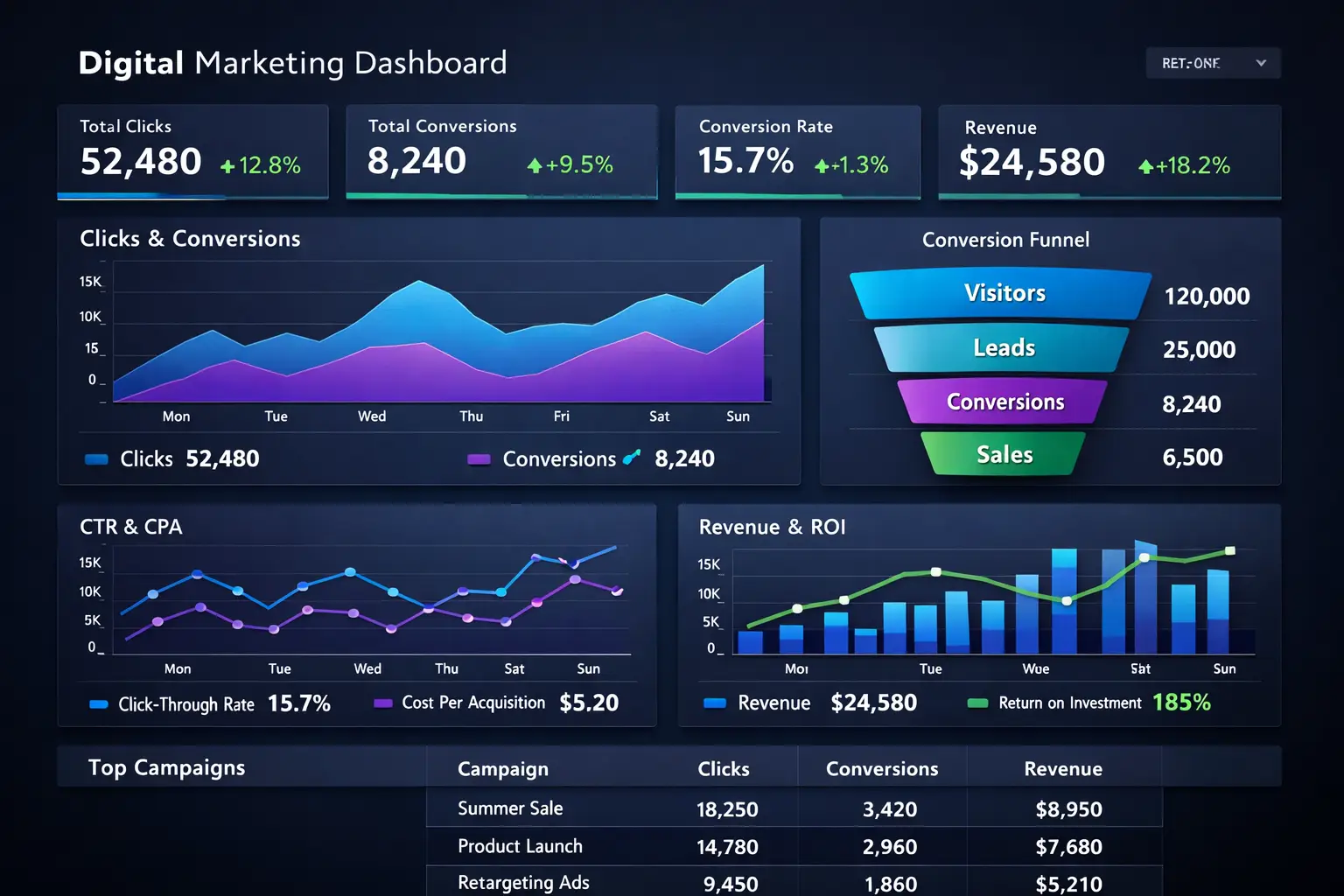
If you’ve ever wished you could pay for ads only when they actually work, then you’re already thinking in the direction of performance marketing. This approach has completely changed how businesses spend money on advertising.
Instead of paying upfront for visibility, performance marketing ensures that you only pay when a specific action happens—like a click, lead, or sale. This makes it one of the most efficient and measurable marketing strategies available today.
Businesses today want results, not just exposure. That’s exactly why performance marketing has gained so much traction in recent years. It removes uncertainty and replaces it with data-driven decisions. Whether you’re a startup or an established brand, this model helps you control costs while maximizing returns.
What is Performance Marketing?
At its core, This approach is a digital strategy where advertisers pay only when a measurable outcome is achieved. These outcomes can include clicks, leads, or purchases.
Think of it like hiring someone and only paying them when they complete the job successfully. That’s the essence of performance marketing—it’s based entirely on results.
Unlike traditional advertising, where success is difficult to measure, performance marketing gives you full visibility into how your campaigns are performing. Every click and conversion is tracked, allowing you to optimize campaigns in real time.
“For a deeper understanding, you can refer to guides from HubSpot, which explain how this strategy works in detail.”
How Performance Marketing Works
Understanding how performance marketing works is key to using it effectively. It follows a simple but powerful cycle: plan, launch, track, and optimize.
First, you define your goals. These could be increasing website traffic, generating leads, or boosting sales. Once goals are set, you choose the right channels and launch your campaign.
The real strength of performance marketing lies in tracking. Every interaction is measured. If something isn’t working, you adjust it immediately. If something performs well, you invest more into it.
This continuous loop of improvement makes performance marketing highly efficient compared to traditional methods.
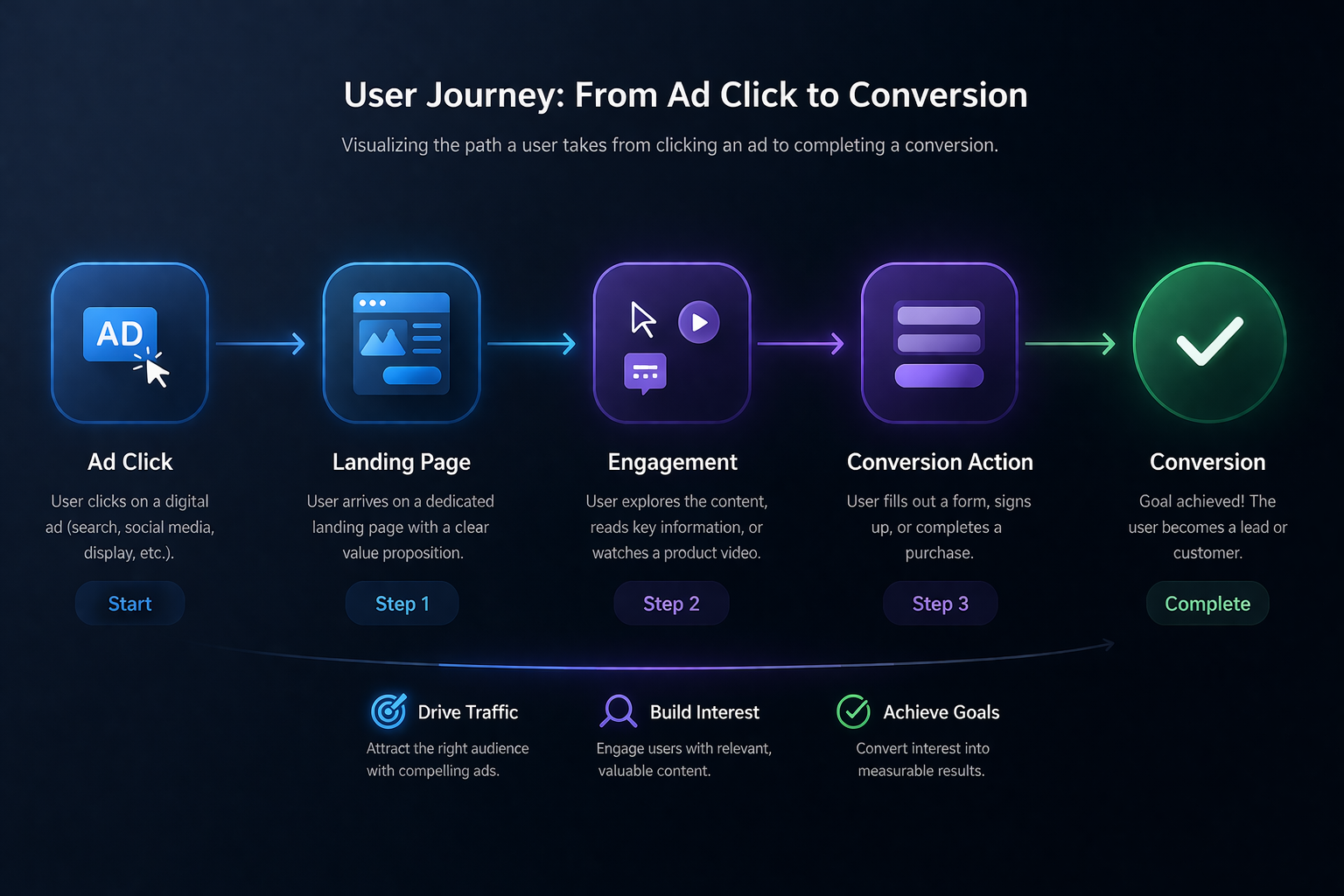
Key Channels in Performance Marketing
There are several channels that fall under performance marketing, and each serves a unique purpose.
Paid Search
Paid search is one of the most popular forms of performance marketing. Ads appear on search engines, and you pay only when someone clicks. This ensures you’re reaching users who are already interested in your offering.
Social Media Advertising
Social platforms allow precise targeting, You can reach users based on interests, behavior, and demographics.
Display and Native Ads
Display ads use visuals to attract attention, while native ads blend into content. Both are essential tools for increasing engagement and conversions.
Affiliate Marketing
Affiliate marketing is a major part of it. Here, partners promote your products and earn a commission for each successful action.
Important KPIs in Performance Marketing
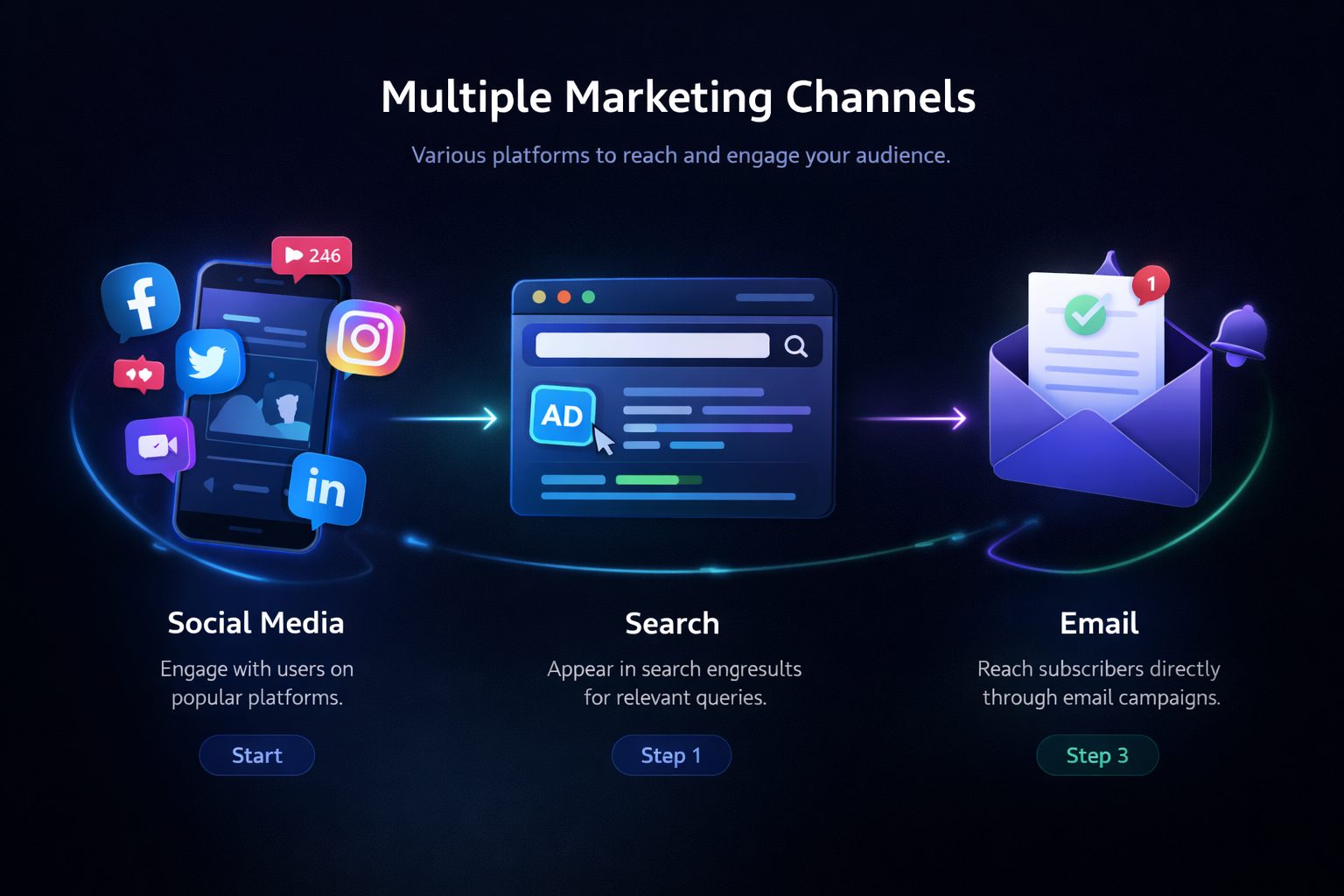
Tracking the right metrics is essential in performance marketing. Without data, you’re just guessing.
| KPI | Meaning | Importance |
|---|---|---|
| CPC | Cost per click | Measures engagement |
| CPA | Cost per acquisition | Tracks conversions |
| CPL | Cost per lead | Evaluates leads |
| CPS | Cost per sale | Measures profitability |
Cost Per Click (CPC)
This shows how much you pay per click. It helps evaluate how attractive your ads are.
Cost Per Acquisition (CPA)
CPA tells you how much it costs to acquire a customer, a critical metric in performance marketing.
Cost Per Lead (CPL)
CPL measures how much you pay for each lead generated through your campaigns.
Benefits of Performance Marketing
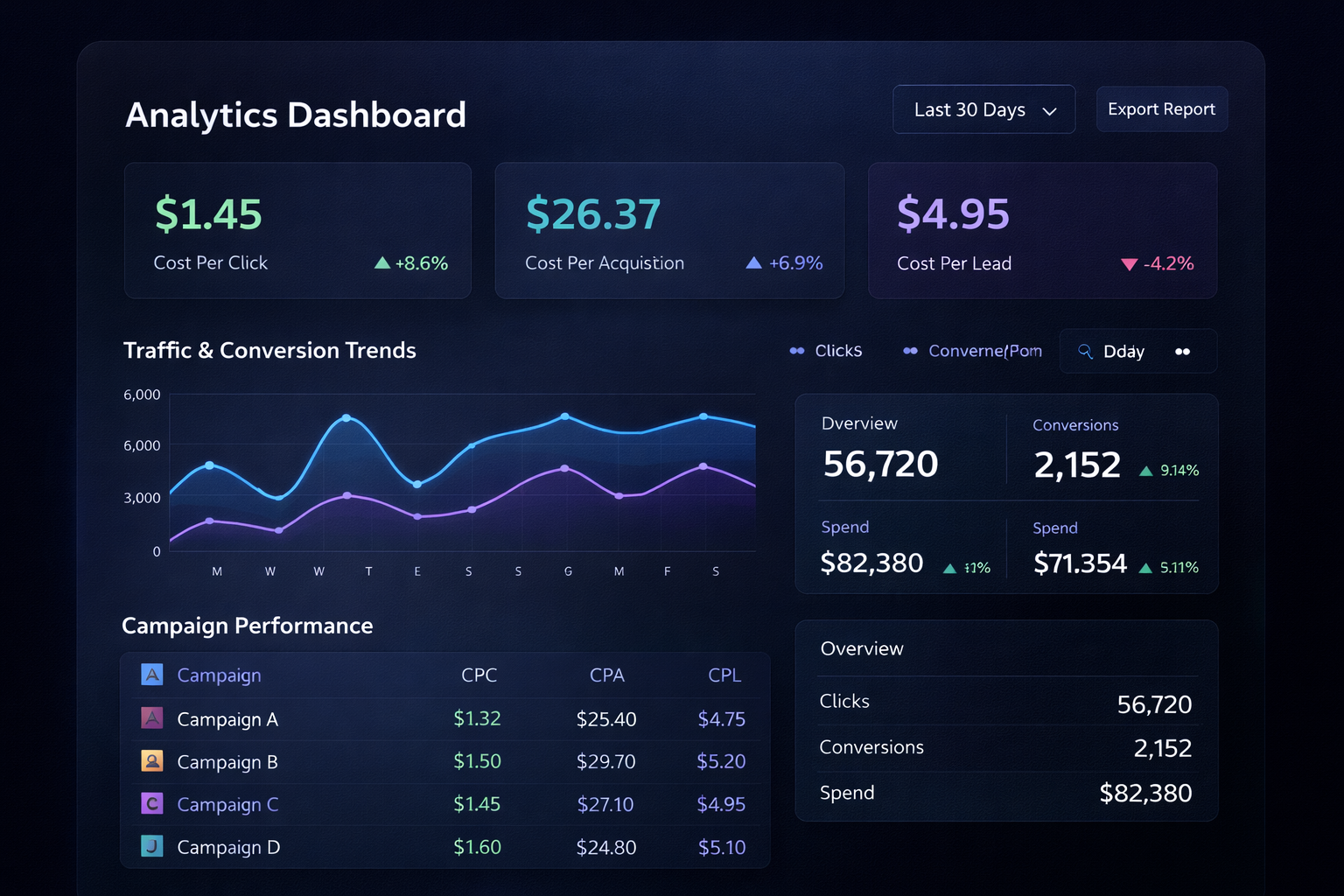
The biggest advantage is efficiency. You’re not wasting money—you’re investing in results.
Another major benefit is transparency. you can see exactly what’s working and what’s not. This allows you to make smarter decisions.
Flexibility is also a key strength. Campaigns can be adjusted instantly, making highly adaptable to changes.
Challenges in Performance Marketing
While this strategy offers many benefits, it also comes with challenges. One of the biggest issues is increasing competition, which can drive up costs.
Another challenge is dependency on data. Without proper tracking, even the best strategy can fail.
Practical Tips for Success
To succeed in marketing, you need a clear strategy and consistent optimization.
- Focus on understanding your audience
- Continuously test your ads
- Optimize landing pages for conversions
- Use retargeting to capture missed opportunities
- Analyze data regularly
These steps can significantly improve your results.
“If you want to learn more, check out our guide on SEO strategies for beginners.”
Conclusion
It is one of the most powerful strategies in digital advertising today. It allows businesses to pay only for results, making it both cost-effective and measurable.
“By focusing on data, continuous optimization, and the right channels, growth marketing can drive significant growth.”
FAQs
1. What is results-driven marketing in simple terms?
It’s a strategy where you pay only when a specific result, like a click or sale, happens.
2. Is results-driven marketing suitable for small businesses?
Yes, because it minimizes risk and ensures better ROI.
3. How is results-driven marketing different from traditional marketing?
Traditional marketing focuses on exposure, while results-driven marketing focuses on measurable results.
4. Which platforms are best for results-driven marketing?
Search engines and social media platforms are widely used.
5. Can beginners start with results-driven marketing?
Absolutely. You can start small and scale as you learn.