The Art of Visual Communication in the Modern World
Design isn’t just about making visuals look pretty — it’s about crafting meaningful communication that resonates. In an era overflowing with digital noise, strong design is the silent voice that captures attention, tells stories, and shapes perceptions. Whether you realize it or not, graphic design influences everything you see — from the logo on your favourite beverage to the user interface of the apps you use daily.
In this article, we’ll explore how graphic design works, why it’s essential, how it’s evolving in 2026, and how it stands as both an art and a profession in today’s visual culture.

 What Is Graphic Design?
 What Is Graphic Design?
At its core, graphic design is visual communication — the deliberate arrangement of elements like text, images, colours, and shapes to communicate a specific message to a targeted audience. This definition isn’t new, but its application has grown tremendously with technology. Historically rooted in print and publishing, graphic design now spans digital platforms, interfaces, branding, packaging, advertising, and much more. Graphic designers are storytellers who translate ideas into visual experiences that audiences can understand instantly without needing a dictionary to decode them.
Unlike decoration, graphic design always has purpose — it seeks to influence how people think, feel, or act.
Why Graphic Design Matters More Than Ever
 Why Graphic Design Matters More Than Ever
In today’s fast-paced, attention-scarce world, good graphic design is not a luxury — it’s a necessity. Brands compete for eyeballs across platforms, and design serves as the communicator that bridges brand value and audience understanding.
Here’s why designers matters:
First impressions shape perceptions instantly. A strong visual identity suggests professionalism, credibility, and trustworthiness in the first few seconds.
Visual communication is processed faster than text. The human brain processes images up to 60,000 times faster than words, meaning well-designed visuals help audiences grasp messages nearly instantaneously.
Design breaks language barriers. Icons, symbols, and thoughtfully structured visuals can communicate concepts even when language fails.
Brand recognition stems from consistent design. Logos, colour palettes, and typography build unity and familiarity in customer minds.
Design doesn’t just please the eye — it shapes understanding and trust across cultures and channels.
The Essential Elements of Design
 The Essential Elements of Design
To truly appreciate graphic design, you must understand its core building blocks:
Colour
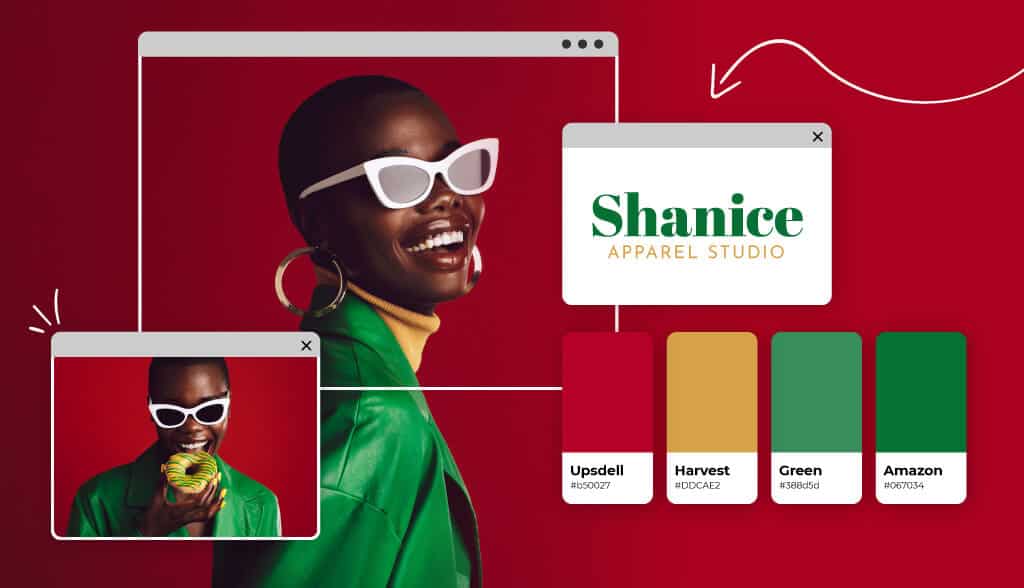
Colour does more than make things vibrant — it conveys emotion, reinforces identity, and can influence behaviour. For example:
Blue often evokes trust and stability.
Red signals urgency and can boost call-to-action response.
Green represents growth or eco-consciousness in branding.
Choosing the wrong colour palette can confuse audiences, but the right one can amplify meaning.
Typography
Typography isn’t just text — it’s tone of voice visualised. Fonts convey personality. Serif fonts feel classic, streamlined sans-serifs feel modern, and decorative display fonts can suggest playfulness or luxury.
Layout
Layout arranges elements in a way that guides the viewer’s eye. Good layouts create balance, focus, and flow — like a visual map telling audiences where to look first and what comes next.
Imagery
Photos, icons, illustrations, and graphics support the message. Imagery paired with strong layout and colour boosts comprehension and emotional resonance.
Together, these elements form the visual language designers use to speak without saying a word.
Different Types of Graphic Design
 Different Types of Graphic Design
Graphic design isn’t one-size-fits-all — it’s a dynamic discipline with many specializations:
Branding & Visual Identity Design — Creating recognisable visual systems for businesses, including logos, colour palettes, and typography.
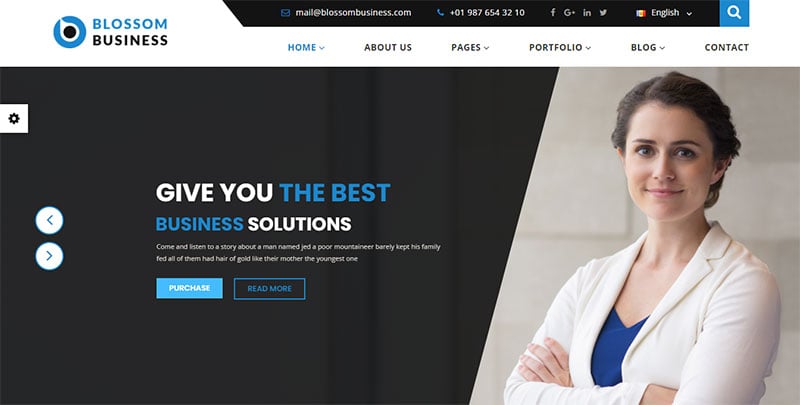
Web & UI Design — Designing intuitive interfaces for websites and apps that combine aesthetics with usability.
Print & Publication Design — Layout and artwork for magazines, posters, brochures, and physical products.
Social Media & Digital Graphics — Visual content tailored for platforms like Instagram, TikTok, or LinkedIn.
Packaging & Environmental Design — Design for product packaging or physical spaces that communicate identity at first glance.
Each category applies the same core principles, but they differ in tools, audience expectations, and medium.
How Designers Drives Business Success
 How Designers Drives Business Success
Modern businesses rely on design to:
Boost brand visibility and credibility.
Improve marketing performance and user engagement.
Communicate key messages quickly and persuasively.
In a recent survey, over 90% of businesses affirmed that satisfying graphic design is essential for branding and marketing success, and social media content now makes up more than 60% of design projects.
From website layouts that improve conversions to infographics that make complex data understandable, graphic design directly influences customer behaviour and purchase decisions.
Industry Growth & Trends in 2026
 Industry Growth & Trends in 2026
The graphic design industry continues expanding in 2026, underpinned by digital growth and evolving consumer expectations:
Market Size
The global graphic design market was valued around $50+ billion in 2026 and is expected to grow steadily through the next decade.
With digital-first brands emerging and established brands investing in visuals, the demand for designers and visual strategists remains robust.
Emerging Trends
Design trends for 2026 are centred on authenticity and human expression:
Textured, tactile visuals counter AI-generated slickness.
Immersive and motion-rich experiences in digital interfaces.
AI-assisted tools optimize workflows while preserving designer creativity.
Sustainable and inclusive design practices ensure accessibility and ethical communication.
These trends reflect a balance between tradition and innovation — humans directing tools to create meaningful visual narratives.
Graphic and User Experience (UX)
 Graphic and User Experience (UX)
In the modern digital era, graphic design no longer exists in isolation. It’s intertwined with user experience (UX) — the broader realm of usability and interaction.
Strong graphic design:
Guides users intuitively through interfaces.
Reduces cognitive load by aligning visual hierarchy with user expectations.
Enhances emotional engagement through visual storytelling.
Today, designers must think beyond aesthetics; they need to understand human behaviour, accessibility needs, and interface logic to design memorable experiences.

Tools Designers Use Today
 Tools Designers Use Today
While creativity remains the core of design, tools help execute and refine ideas efficiently. Popular tools include:
Adobe Photoshop — image editing powerhouse
Adobe Illustrator — vector graphics and logos
Figma — collaborative UI/UX design
Canva — accessible design for beginners
Although software enhances workflow, creativity isn’t guaranteed just because of tools — strategic thinking and visual intuition still define excellent design.
Is Graphic Design a Good Career?
 Is Graphic Design a Good Career?
Graphic design is a dynamic career with opportunities in agencies, in-house teams, freelance markets and entrepreneurial ventures. Current statistics show that:
A large portion of designers are young (aged 25–34).
Freelancing is a major career path for many (around 40%).
Online portfolio platforms like Behance and Dribbble dominate professional exposure.
In India and globally, graphic design skills are increasingly valued not just for visuals but for strategic visual communication across digital and physical landscapes.

Conclusion
Graphic design is far more than decoration — it’s visual storytelling, strategic communication, and creative problem-solving. From brand logos to interactive apps, well-designed visuals shape how we see the world and make decisions every day.
In a world where attention is the most valuable currency, graphic design continues to be the bridge between ideas and understanding — crafting meaning in ways that words alone can’t. It’s both timeless in principle and dynamic in evolution — a discipline that will shape communication for decades to come.
FAQs About Graphic Design
1. What exactly does a graphic designer do?
A graphic designer translates ideas into visual forms using typography, colour, imagery, and layout to communicate messages clearly and effectively.
2. Why is graphic design important for businesses?
Graphic design strengthens brand identity, improves communication, and helps audiences quickly understand and connect with messages.
3. Is graphic design still growing as a profession?
Yes—global demand remains strong, with market growth expected through 2035 and expanding opportunities across digital and physical media.
4. Do I need formal education to become a graphic designer?
Not necessarily. Many designers learn through self-study, online courses, or bootcamps alongside formal degrees.
5. What skills make a graphic designer successful?
Strong creativity, understanding of design principles, software proficiency, and empathy for audiences are key to success.